
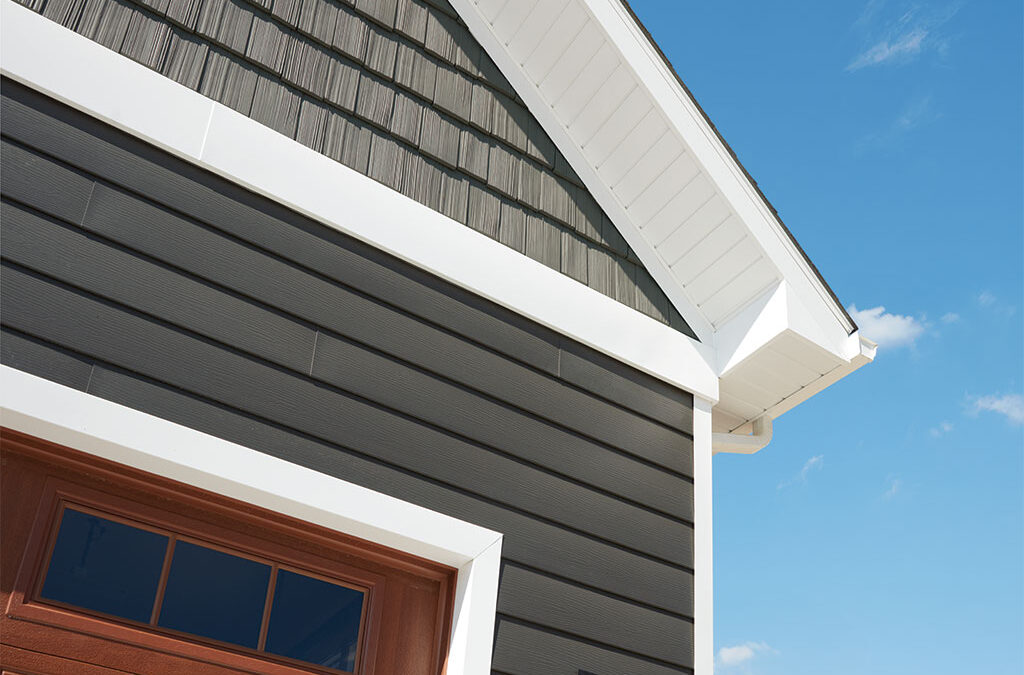
Few design choices make a bigger impact than mixed siding.
By combining multiple siding profiles, textures, or colors on one exterior, homeowners and builders can create depth, contrast, and architectural interest that simply isn’t possible with a single, uniform siding style.
Mixed siding allows a home to feel custom-designed rather than cookie-cutter. It can elevate any style of home, from modern farmhouses to contemporary builds. The key is to ensure the end result feels intentional and high-end—not overdesigned.
What Is Mixed Siding?
Mixed siding is the intentional use of two or more siding styles, textures, materials, or colors on a single home exterior.
Most often, this means pairing a primary siding—such as horizontal lap—with an accent style like board and batten, shakes, or vertical panels.
Why Choose Mixed Siding?
The value of mixed siding lies in contrast. Combining textures creates visual rhythm and breaks up large wall surfaces.
- Horizontal siding offers a classic, grounding base
- Vertical styles draw the eye upward, adding height and drama
Together, they create a look that feels both modern and enduring.
Mixed vs. Traditional Siding: What’s the Difference?
Unlike traditional, single-profile siding, mixed siding designs are far more flexible.
They allow homeowners and builders to highlight architectural features, emphasize entryways, and add dimension without changing the home’s footprint.
What Are the Benefits of Mixed Siding?
Mixed siding ideas aren’t just about looks—they offer practical and design-driven benefits that appeal to homeowners and pros alike.
Enhanced Curb Appeal
Mixing siding styles instantly adds depth and character.
Instead of flat, uninterrupted walls, the exterior gains layers that catch light and shadow—making the home more visually engaging from every angle.
A More Custom, High-End Look
Homes with mixed siding often feel custom-built, even when they’re not.
Thoughtful combinations signal intentional design, which can elevate perceived quality and resale value.
Highlights Architectural Features
Mixed siding helps draw attention to what makes a home unique:
- Gables and dormers
- Entryways and porches
- Second stories or bump-outs
Using a contrasting siding style in these areas naturally guides the eye and enhances the home’s structure.
Design Flexibility Across Styles
From modern farmhouse to craftsman to contemporary, mixed siding adapts beautifully.
Subtle combinations can feel traditional and timeless, while bolder contrasts lean modern and architectural.
Works With a Wide Range of Materials
Mixed siding isn’t limited to one product type.
Vinyl, aluminum, steel, and polymer shakes can all be combined thoughtfully, especially when color consistency and trim details tie everything together.
The 5 Most Popular Mixed Siding Ideas
Today’s most popular mixed siding ideas focus on balance: pairing contrast with cohesion. Homeowners are gravitating toward designs that feel fresh, intentional, and grounded in classic architecture.
#1. Board and Batten Mixed With Horizontal Siding
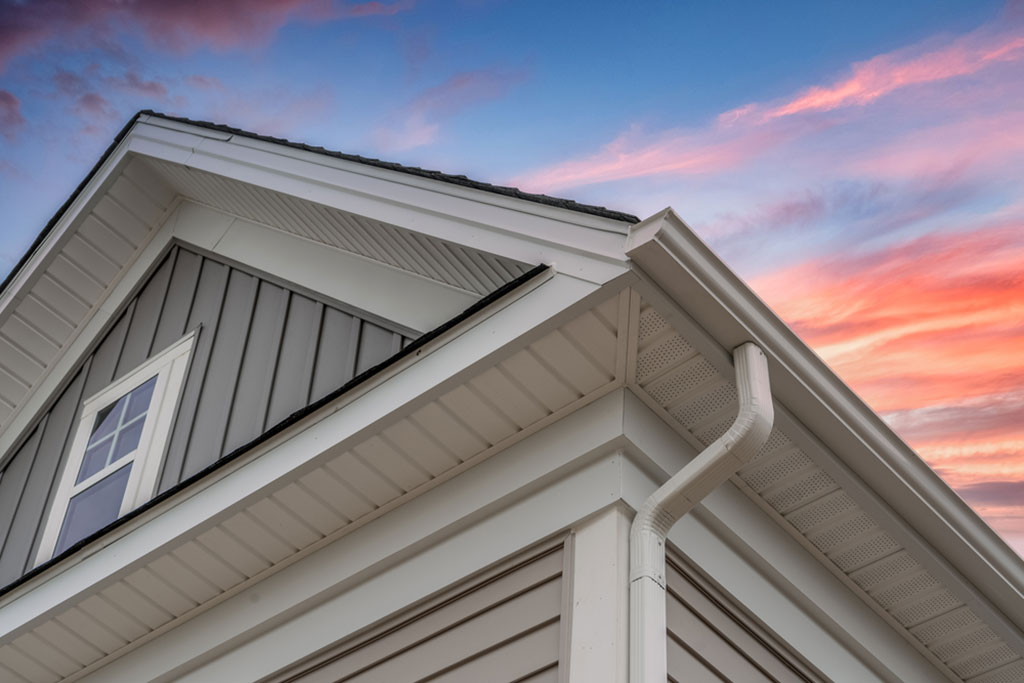
One of the most requested combinations—board and batten mixed with horizontal siding—blends vertical and horizontal lines for a perfectly balanced exterior.
- Horizontal siding typically anchors the main body of the home
- Board and batten shines on gables, second stories, or entry features
This pairing works across styles, adding interest without overwhelming the design.
#2. Light-and-Dark Color Pairings
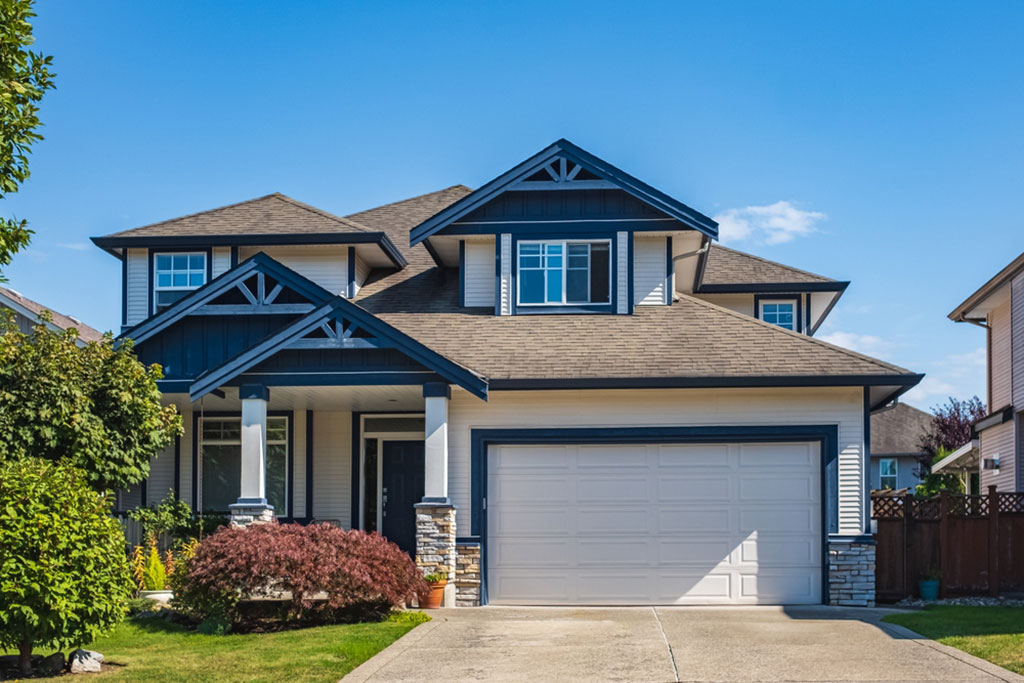
Using two siding colors instead of one is another popular approach.
Common strategies include:
- Light horizontal siding with darker vertical accents
- Neutral main siding paired with a bold gable or entry feature
These combinations create contrast while keeping the palette controlled.
#3. Gable and Dormer Accents
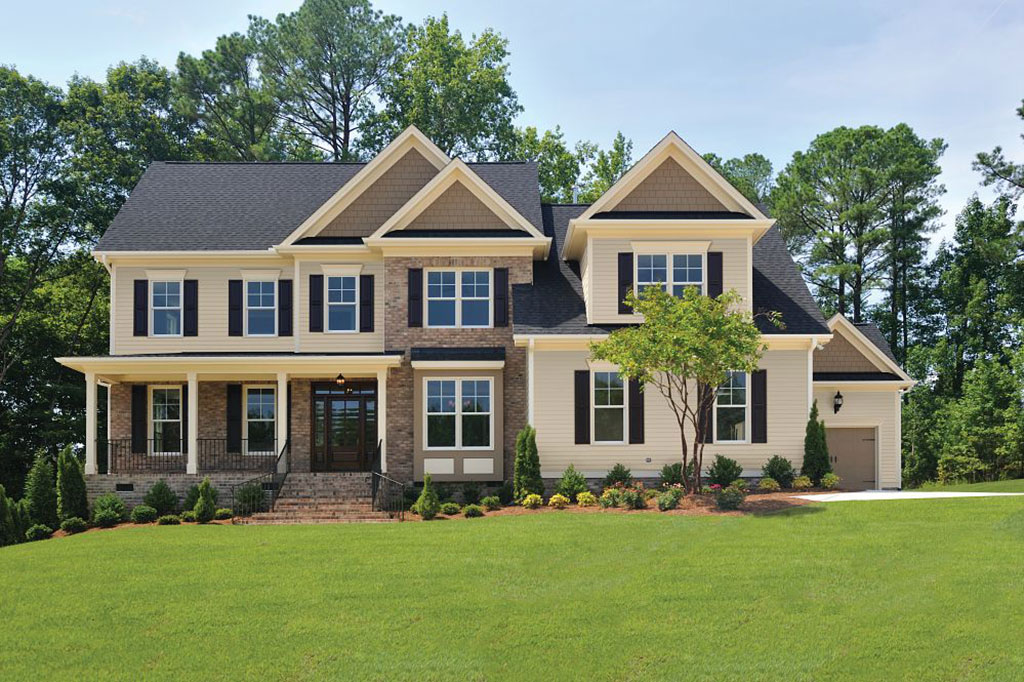 Gables are ideal candidates for mixed siding. Switching textures in these areas adds dimension without cluttering the main façade.
Shakes, scallops, or vertical panels work especially well here.
#4. Mixing Textures, Not Just Colors
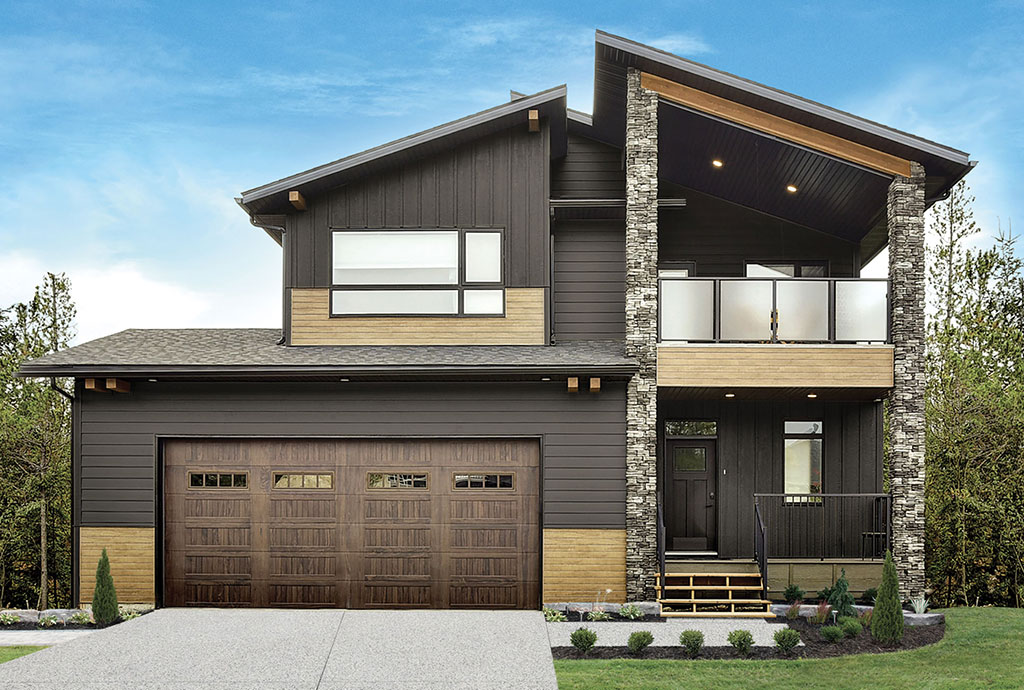
Texture-based contrast—such as smooth lap siding paired with woodgrain horizontal or vertical siding—adds sophistication, even in monochromatic designs.
This approach is popular with homeowners who want subtle elegance rather than bold contrast.
#5. Complementary Trim That Pulls It Together
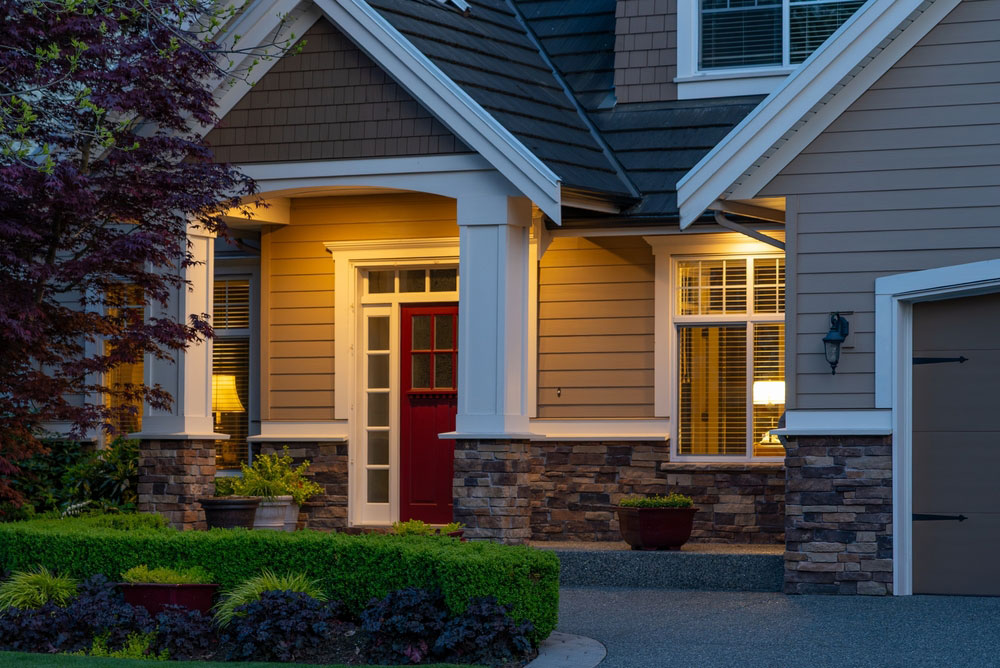
Trim plays a critical role in successful mixed siding designs.
Wide, clean-lined trim helps define transitions between siding styles and ensures the exterior feels cohesive (not pieced together).
Need More Inspo? See More Exterior Siding Ideas →
The Do’s and Don’ts of Mixed Siding
Mixed siding ideas are inspiring, but there are a few rules worth following to avoid common design mistakes. Use the table below as a quick reference:
| Do | Don’t |
| Use one dominant siding style | Mix too many profiles on one elevation |
| Highlight architectural features | Apply accents randomly |
| Keep colors within one palette | Use clashing undertones |
| Use trim to define transitions | Ignore how siding styles meet |
| Consider the home’s architecture | Force trendy combinations |
If You’re In Doubt → Simpler combinations often deliver the most timeless results.
Are These Mixed Siding Ideas Right for You?
Mixed siding is a great choice, but it isn’t the best solution for every home. There needs to be alignment between architecture, goals, and budget.
Mixed siding may be right for you if:
- Your home has gables, dormers, or distinct elevations
- You want to boost curb appeal without major structural changes
- You value a custom, design-forward exterior
You may want to keep things simpler if:
- Your home has very minimal exterior detailing
- You prefer a highly traditional, uniform look
- Budget or timelines require maximum simplicity
How to Choose Mixed Siding Materials
Selecting the right materials is just as important as choosing the right design. High-quality siding ensures your mixed exterior performs as beautifully as it looks.
- Prioritize Consistent Color Options: When mixing siding styles, color consistency matters. Brands like Gentek make this easier by offering coordinated color collections across vinyl, aluminum, and steel siding—along with soffit, fascia, trim, and rainware.
- Don’t Overlook Trim and Accessories: Decorative trim, soffit, and fascia complete the look. The right selections offer clean transitions, bold shadow lines, and architectural polish that elevates mixed siding designs.
- Match Material Performance to Placement: Use durable materials in high-exposure areas. For long-term resilience, consider steel or aluminum options. Vinyl or polymer accents also offer low maintenance. Gentek’s broad lineup allows you to mix materials confidently without sacrificing durability.
- Think Long-Term: Low-maintenance, fade-resistant materials protect you or your client’s investment and keep mixed siding exteriors looking sharp for years. This is especially important when using multiple profiles. Gentek siding is engineered for durability, low maintenance, and color retention, helping an exterior continue to look cohesive and high-end for years to come.
Frequently Asked Questions: Mixed Siding
Does Mixed Siding Cost More Than Uniform Siding?
Yes—typically, mixed siding can add modest cost due to additional materials and detailing, but it often delivers higher perceived value and curb appeal.
How Many Siding Styles Should You Mix?
Two styles maximum is what looks best for most homes—one primary and one accent. More than that can feel too busy.
What Is the Best Brand for Mixed Siding Options?
Gentek stands out because its vinyl, aluminum, steel siding, trim, soffit, and accessories are designed to coordinate seamlessly—making it easier to mix styles, textures, and materials while maintaining a cohesive, polished exterior.
In general, look for brands that offer:
- Multiple siding profiles
- Consistent color matching across products
- Reliable long-term performance
Is Board and Batten Mixed With Horizontal Siding Still On Trend?
Yes—this combination remains one of the most timeless and versatile mixed siding ideas.
What Parts of a House Are Best for Mixed Siding?
Gables, dormers, second stories, entryways, and garage fronts are among the most effective areas for mixed siding.
These locations naturally lend themselves to accent treatments and help break up large wall surfaces without overwhelming the main elevation.
Is Mixed Siding Harder to Maintain?
No—not necessarily. Maintenance depends more on material choice than on design.
Using low-maintenance products like vinyl, steel, aluminum, or polymer shakes allows homeowners to enjoy the benefits of mixed siding without added upkeep.
Feeling Inspired by These Mixed Siding Ideas?
Whether you’re designing a new build or updating an existing exterior, Zeeland Lumber & Supply is here to help bring your mixed siding ideas to life.
With expert guidance, trusted brands like Gentek, and all the finishing details—from siding to trim and accessories—you can move forward with confidence.
Connect with Zeeland Lumber & Supply today to explore materials, get design support, or request a quote. Let’s create an exterior that truly stands out.