

Can You Put New Shingles Over Old Shingles? What Roofing Experts Want You to Know
Yes, you can put new shingles over old shingles, but only under specific conditions, and there are tradeoffs you need to consider. You need one sound layer, solid decking underneath, and a local building code that allows it. Even then, you give up some warranty option, you can’t see what’s hiding under there, and you may shorten the life of the new roof.
Here’s when an overlay works, when it doesn’t, what it will cost you, and what Michigan winters do to a layered roof.
Key Takeaways
- You can put new shingles over old shingles, but it’s not recommended. You need one sound layer and your local code to allow it
- Some roofing warranties require full roof removal.
- If your roof already has two layers, rot, or a warranty goal, you should tear it all off before adding new shingles.
| Key Roof Replacement Terms | |
| Term | Definition |
| Roof Overlay | Installing a new layer of shingles directly over the existing roof covering without removing it first. Also called a “roof recover.” |
| Tear-off | Removing every existing roofing layer down to the roof deck before installing new shingles. This is a full roof replacement. |
When Is It Okay to Put New Shingles Over Old Shingles?
A roof overlay is acceptable when three things line up: the roof has only one layer, the decking underneath is solid, and your local code allows a recover.
GAF, the United States’ most popular and trusted roofing manufacturer, says a roof with one existing layer may be a candidate for a second layer. It also says weathered, warped, or curling shingles aren’t suitable to shingle over, because new shingles need a smooth surface to install and perform the way they should.
Here’s a quick field check:
- One layer only. Look at the roof edge and rake. Stacked, uneven courses mean more than one layer.
- Flat, tight shingles. Curling, cupping, or buckled shingles will telegraph right through the new ones.
- Solid decking. No soft spots, sagging, or water stains on the attic side of the roof.
- A green light from your local building department. Rules and permit requirements vary by town, so call before you make a decision and buy materials.
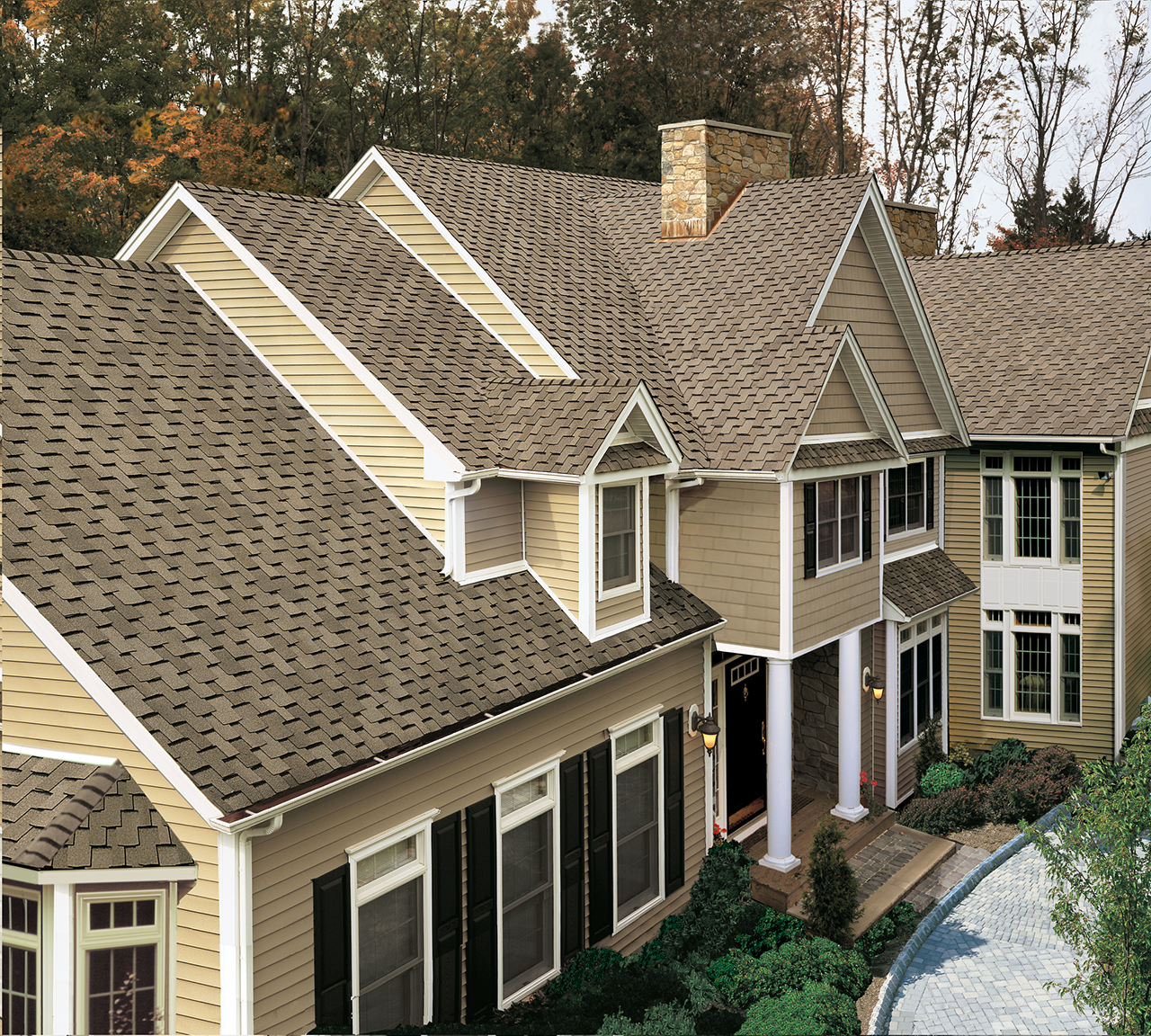
Pictured: GAF Grand Sequoia® – Weathered Wood
When Is Overlaying a Roof a Bad Idea, or Not Allowed?
Skip the overlay if the roof already has two layers, if there’s rot or moisture damage, or if you want one of the manufacturer’s top-tier warranties. In the first two cases, code may not give you a choice at all.
The Michigan Residential Code, Chapter 9, Section R908.3.1.1 says new roof coverings can’t be installed without first removing all existing layers when:
- The roof is water-soaked or deteriorated to the point that the existing roof covering is not adequate as a base for additional roofing
- The existing roof covering is wood shake, slate, clay, cement, or asbestos-cement tile
- The existing roof has two or more applications of any type of roof covering
Weight matters too, but it’s rarely the dealbreaker people think it is (more in the FAQs). The bigger issue is what an overlay hides.
|
Our Take You can’t fix what you can’t see. A tear-off lets a crew inspect every inch of decking, replace soft spots, and flash the roof correctly. An overlay buries all of that under another layer of shingles. |
How Much Does a Roof Overlay Cost Compared to a Full Tear-Off?
An overlay costs less upfront because you skip removal labor and disposal. The savings are smaller than you’d expect, though, and they come due again at your next roof.
In 2026, JobNimbus’s guide “How Much Does a New Roof Really Cost in 2026?” found that removing an old roof runs about $1 to $2.40 per square foot per layer, including the dumpster and cleanup. On a 2,000-square-foot roof with just one layer, that’s roughly $2,000 to $4,800 you’d skip with an overlay, before any deck repairs.
For context, a 2026 This Old House survey of 1,000 homeowners put the average cost of replacing a 2,000-square-foot asphalt shingle roof at $10,320. So a tear-off might add a couple thousand dollars to the job. Is a clean deck, full inspection, and a stronger warranty worth that to you? Most homeowners say yes, particularly when financing spreads the cost out.
| Roof Overly vs. Full Tear-Off at a Glance | ||
| Roof Overlay | Full Tear-Off | |
| Labor | Lower; no removal work | Higher; crew strips every layer to the deck |
| Disposal | Minimal | Dumpster and haul-off, priced per layer |
| Deck Inspection | None; decking stays hidden | Complete; rot gets found and fixed |
| GAF Warranty Options | Silver and Golden Pledge not available | All tiers available; Silver and Golden Pledge cover tear-off and disposal when necessary |
| Next Re-roof | Crew must remove two layers | Crew removes one layer |
| Best For | Sound single-layer roof, tight budget, code allows | Most roof replacements, leaks, two layers, rot, or a long-term warranty goal |
Some homeowners think of a roof overlay like a discount, but it’s really more like a loan. Tear-off is priced per layer, so whoever re-roofs next pays to remove both. If you plan to stay in your house long term, the math doesn’t favor layering.
The Impact of Michigan Weather on a Layered Roof
Freeze-thaw cycling punishes uneven roof surfaces. When a second layer sits on curled or ridged shingles, it leaves gaps where meltwater can creep under the tabs and refreeze, which is how ice dam damage gets started.
Ice dams begin with heat loss. The State of Michigan’s “Preventing Roof Ice Dams” guidance explains that when attic temperatures rise above freezing, snow melts and runs down the roof, and ponding water can back up under the shingles and into the attic. The state recommends attic insulation of at least R–30 (R-38 preferable in Northern Michigan) plus good airflow from the soffits to the roof vents.
So a layered roof doesn’t cause ice dams by itself, but it does give backed-up water more places to get in. Whatever route you take, fix the insulation and ventilation, and ask your contractor about leak barriers at the eaves. GAF’s 2026 Silver Pledge requirements call for it at all eaves in northern regions.
What Does GAF Recommend: Roof Overlay or Tear-Off?
GAF’s enhanced warranties are built around a complete roofing system installed on a clean deck, so removing the old roof is part of the deal.
GAF’s Silver Pledge Limited Warranty brochure states that the roof system must not be installed over an existing roof and that all existing materials must be removed to the deck. In return, the warranty provides 50-year non-prorated coverage against manufacturing defects on most systems and covers tear-off and disposal costs. A GAF Master Elite or Certified Plus contractor has to install it.
Zeeland Lumber & Supply stocks GAF roofing shingles, including the popular Timberline® Natural Shadow line, and can help you match a shingle to your budget and style.
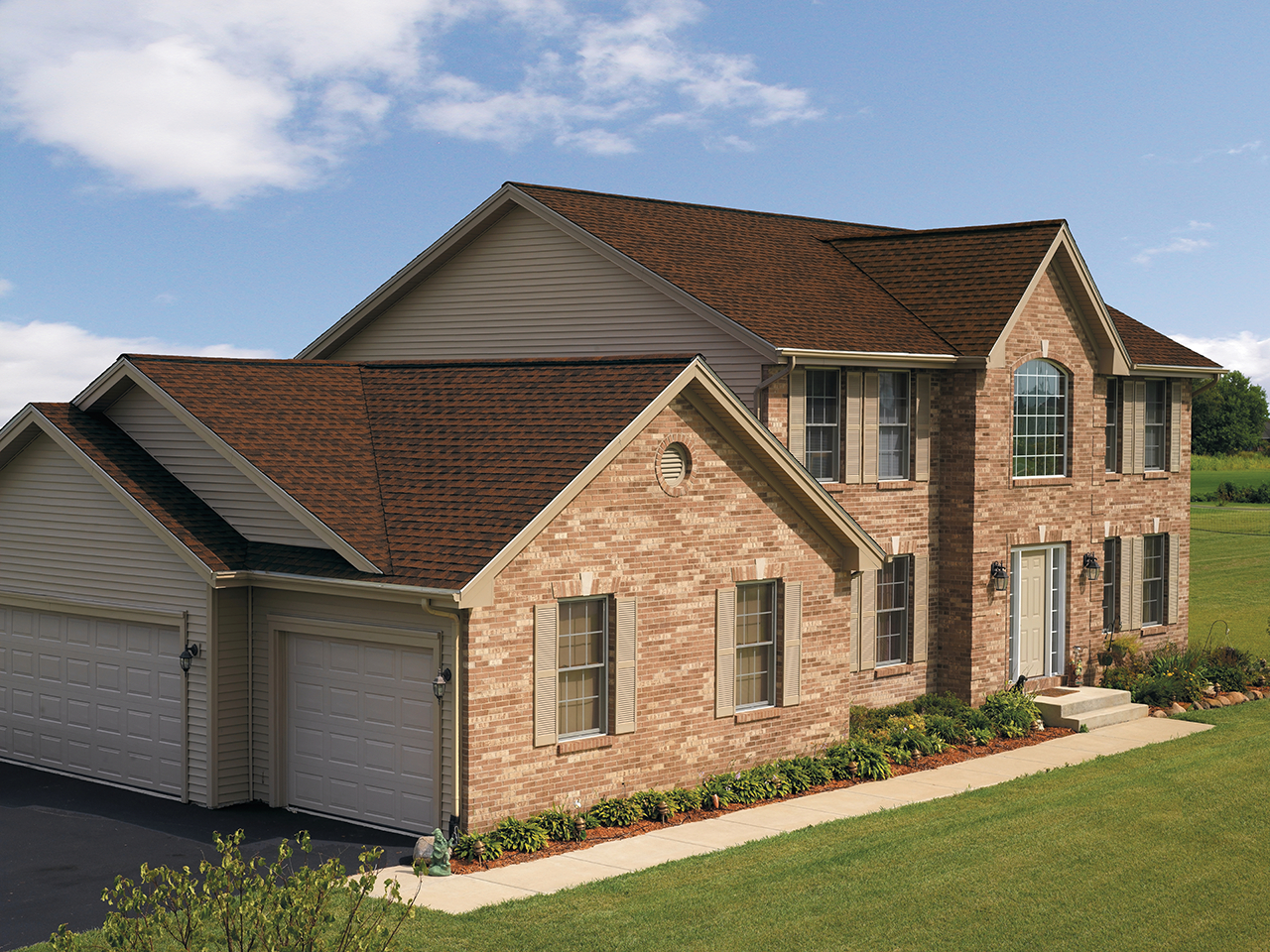
Pictured: GAF Timberline® Natural Shadow – Hickory
Quick Decision Checklist
Choose a roof tear-off if any of these are true:
- Two or more layers of shingles
- Any rots or leaks
- Curling or cupping shingles
- Local code requires it
- You want to ensure manufacturer warranty coverage
Consider a roof overlay only if ALL of these are true:
- One sound layer of shingles
- Flat shingles
- Solid decking
- Code approval
- You accept the warranty tradeoff
Ready to Re-Roof? Talk to Zeeland’s Roofing & Siding Team
Our Standard-Zeeland Roofing & Siding team can help you size up the job, plan the materials, and connect you with installation. Along with GAF, we carry CertainTeed, Quality Edge, McElroy Metal, and Metal Sales roofing.
Browse roofing materials and request a roofing quote, or stop by one of our locations.
Frequently Asked Questions About Roof Layering
How much weight does a second layer of shingles add?
The Journal of Light Construction notes that a layer of standard asphalt shingles weighs about 2.5 pounds per square foot, and most residential roofs are designed for roughly 10 PSF of dead load and 20 PSF of live load, mostly snow. A second layer usually fits on a sound structure, but have a pro confirm, especially under heavy snow.
Does a second layer of shingles void my roof warranty?
Not automatically. GAF’s basic Shingle & Accessory Limited Warranty lists no eligibility requirements. But GAF’s enhanced warranties, such as Silver Pledge, require removal of existing materials to the deck, so an overlay rules out the strongest coverage. Ask your contractor to confirm in writing what your specific shingle’s warranty covers.
How long does a layered roof last?
Usually less than the same shingles installed on a clean deck. The new layer sits on an older, uneven base and can hold heat and moisture, which speeds aging. There’s no reliable universal number, so ask your contractor what they’d expect for your shingle, attic ventilation, and roof condition.
How can I tell how many layers my roof has?
Check the roof edge or rake, where separate layers show as stacked, uneven courses, or look at how shingles meet vent pipes and flashing. If you can’t tell, a roofer can check a spot at the eave. Confirm this first, since code bans a recover over two layers.
Is a roof overlay or tear-off cheaper in the long run?
Usually the tear-off. An overlay saves money today, but in 2026 JobNimbus put tear-off at about $1.00 to $2.40 per square foot per layer, so the next crew will charge to remove two layers instead of one. Skipping tear-off now mostly postpones the cost, and you lose the chance to repair hidden deck damage.