
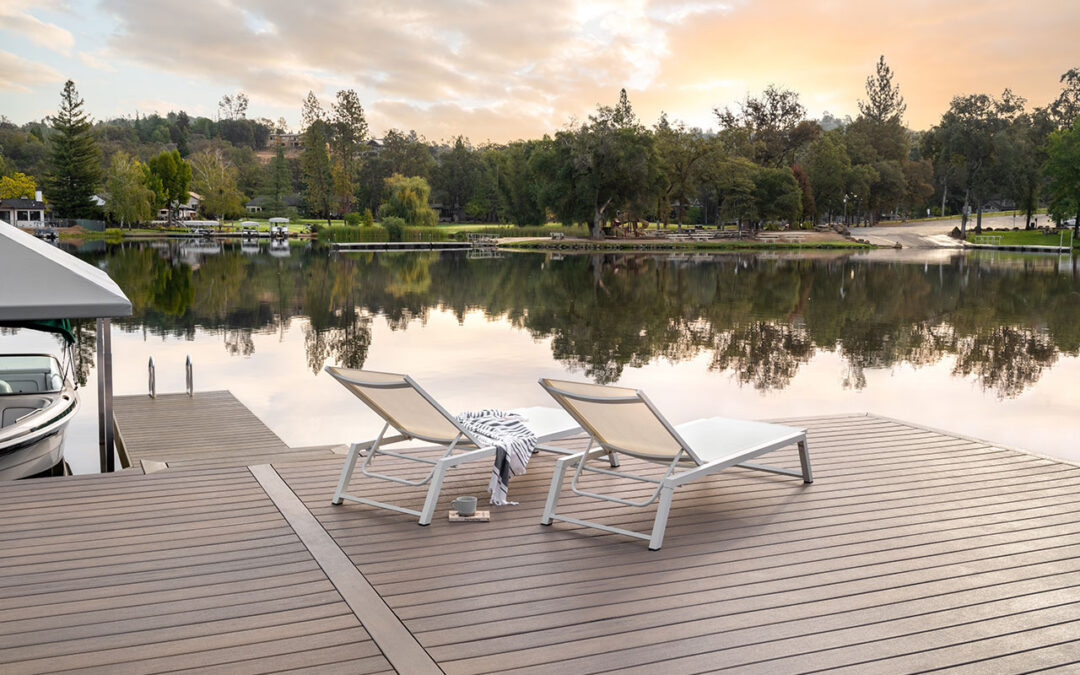
Is Composite Decking Good for Docks?
Summer in Michigan means long lake days, fun-filled boat rides, and relaxing evenings spent by the water.
What it shouldn’t mean? Sanding, staining, replacing warped dock boards, or worrying about splinters before you even step onto your dock.
If you’re wondering whether composite decking for docks is a smart investment, the short answer is yes — and for good reason.
In the article below, we’ll explain:
- Why docks demand a different level of durability than traditional decks
- Why wood and other materials often fall short
- The key benefits of composite dock decking
- And how to choose the best composite decking for docks, including why Trex is a top choice
Yes — Composite Decking Is a Great Choice for Docks
Composite decking is one of the best materials you can use for a dock.
It’s specifically engineered to resist moisture, prevent rot, reduce maintenance, and withstand constant sun and water exposure.
Unlike traditional wood, composite decking:
- Does not absorb water or rot over time
- Won’t splinter, crack, or warp
- Requires no annual sanding, staining, or sealing
- Resists mold, mildew, and fading
- Offers long-term durability backed by strong warranties
If you’re looking for a durable, low-maintenance, and long-lasting solution, composite decking for docks is a smart upgrade.
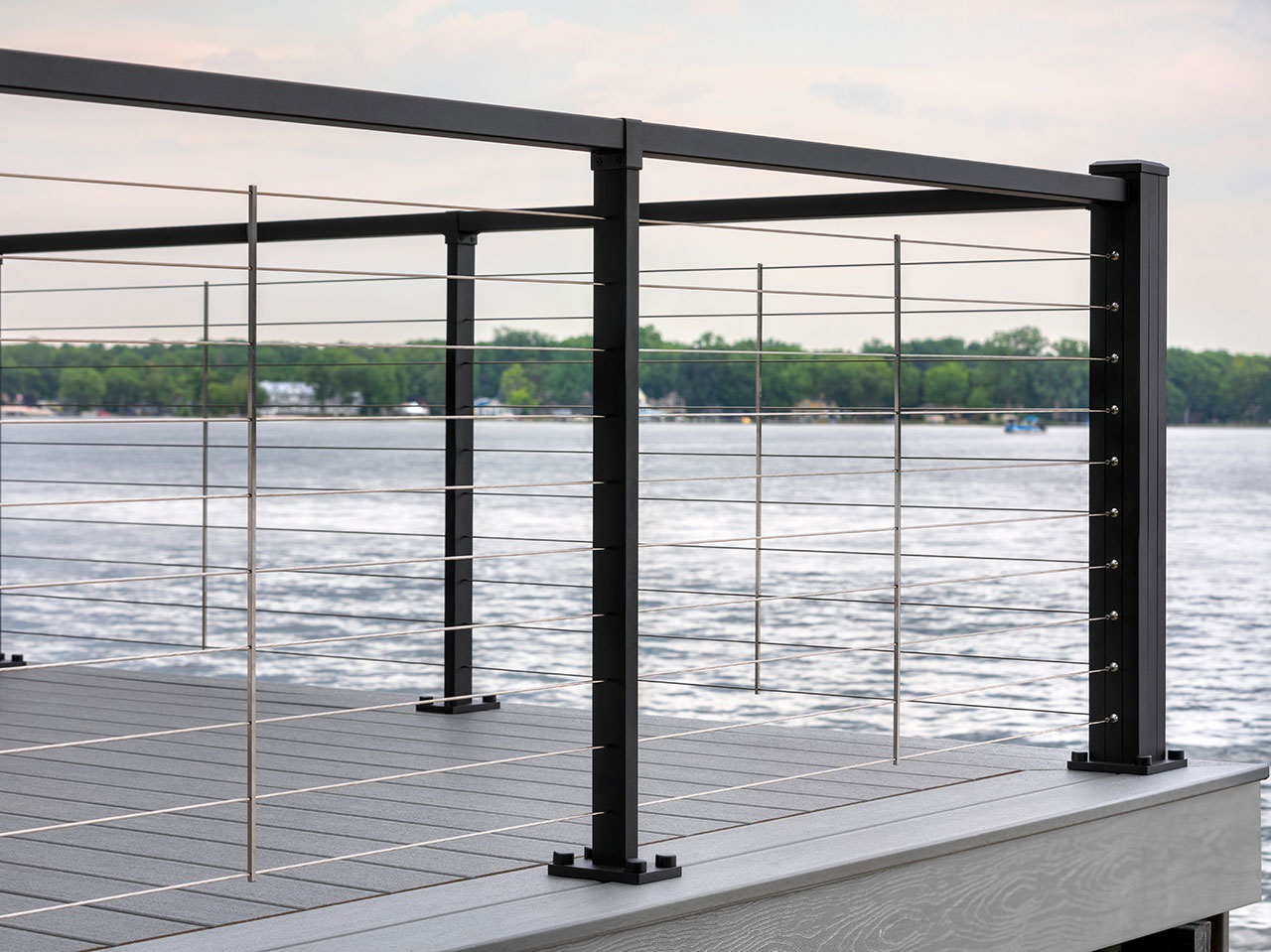
Why Docks Require Specialized Decking Materials
A dock is one of the harshest environments you can build in. Unlike a backyard deck, a dock is constantly exposed to:
- Direct and reflected sunlight
- Continuous moisture and water splashes
- Seasonal freezing and thawing
- Algae and mildew buildup
- Heavy foot traffic and watercraft activity
Traditional wood materials struggle in these conditions because they naturally absorb moisture. Over time, that leads to:
- Rot and decay
- Splintering and cracking
- Warping and board movement
- Fading and discoloration
- Ongoing structural maintenance
That’s why more homeowners are turning to composite decking for docks — a material engineered to withstand moisture without sacrificing strength or appearance.
Comparing Dock Decking Materials
Here’s a quick breakdown of how common dock materials compare, including pressure-treated lumber, cedar, hardwood, and composite decking:
| Material | Moisture Resistance | Maintenance | Longevity | Splinter Risk | Overall Suitability for Docks |
| Pressure-Treated Lumber | Moderate |
High (stain/seal annually) |
10–15 years | High | Fair |
| Cedar/Softwoods |
Low– Moderate |
High | 8–12 years | High | Poor–Fair |
|
Hardwood (Ipe, etc.) |
Moderate | Moderate–High | 15–25 years | Moderate | Good but costly |
| Composite Decking | Excellent | Low | 25+ years | None | Excellent |
Bottom Line:
While pressure-treated lumber may cost less upfront, the long-term maintenance and board replacement costs add up quickly — especially in a lakeside environment.
Composite decking is specifically designed to resist the very conditions that cause wood docks to deteriorate.
7 Benefits of Composite Decking for Docks
When you invest in a lakefront property, your dock should be built to last. Here’s a closer look at why more homeowners are choosing composite decking for their docks.
1. Exceptional Moisture Resistance
Composite decking is made from a blend of recycled wood fibers and plastic, then capped with a protective shell. This outer layer prevents moisture absorption, helping eliminate rot, swelling, and decay — the biggest enemies of dock longevity.
2. Low Maintenance (No Annual Sanding or Staining)
Traditional wood docks require ongoing maintenance, including:
- Sanding
- Staining or sealing
- Board replacement
- Structural repairs
Composite decking requires only occasional cleaning with soap and water. That means more time enjoying the lake and less time maintaining it.
3. Long-Term Durability
Docks take abuse from boat traffic, wet feet, and shifting seasonal temperatures. Composite boards are engineered to maintain structural integrity and appearance for decades, not just a few seasons.
4. No Splinters or Cracking
Splinters are among the most common complaints about wood docks. Composite decking eliminates that issue, creating a safer surface for bare feet, kids, and pets.
5. Fade and Stain Resistance
Quality composite decking is built to resist fading from UV exposure. It also resists staining from:
- Sunscreen
- Food and beverages
- Fish or lake debris
Your dock stays looking newer, longer.
6. Sustainable Materials
Many composite decking products are made from up to 95% recycled materials — including reclaimed wood fibers and plastic film. Choosing composite helps reduce landfill waste while preserving natural forests.
7. Long Warranties
Unlike wood, which has no longevity guarantee, premium composite brands offer 25-year (or longer) warranties, providing peace of mind for your lakeside investment.
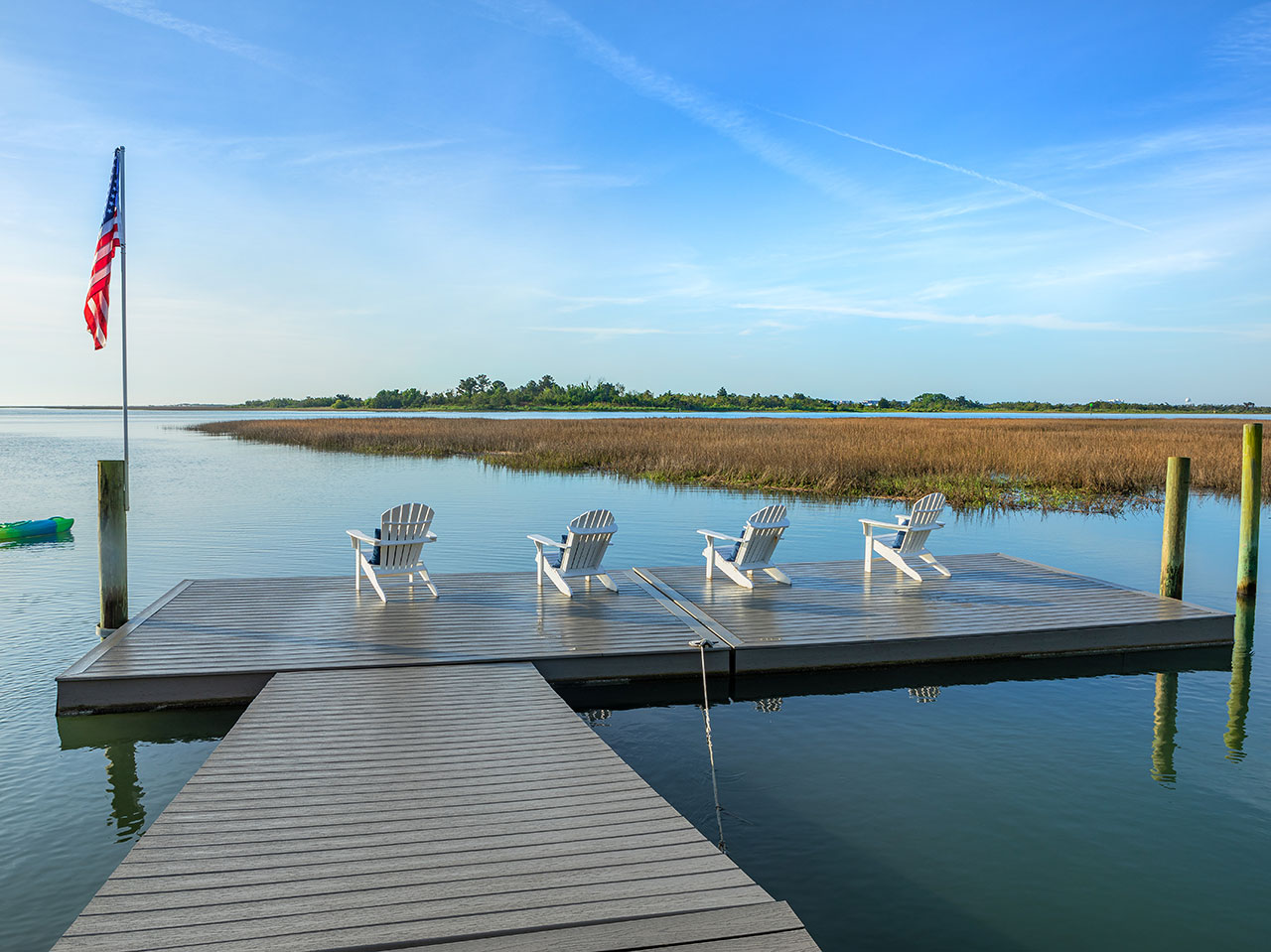
Why Wood Isn’t the Best Choice for Dock Decking
While wood has been traditionally used for docks, it presents several challenges:
Pressure-Treated Lumber:
Pressure-treated lumber is often chosen because it’s affordable and widely available, but it’s not built for constant water exposure.
- Requires chemical treatment
- Prone to cracking and warping
- Needs ongoing sealing
- Eventually rots in high-moisture environments
Cedar and Softwoods:
Cedar and other softwoods are valued for their natural appearance and some inherent resistance to insects, but they remain vulnerable around water.
- Naturally resistant to insects, but not to prolonged water exposure
- Soft surface dents and splinters easily
- Shorter lifespan on docks
Hardwood (Ipe and Exotic Woods):
Hardwoods like Ipe are sometimes viewed as a premium dock material due to their density and strength, but they come with trade-offs.
- Extremely heavy and expensive
- Still requires maintenance
- Can become slippery when wet
- More difficult to install
For most homeowners, the long-term costs, maintenance burden, and safety concerns make wood a less practical solution than composite decking for docks.
What Is the Best Composite Decking for Docks?
Not all composite decking is created equal. When choosing the best composite decking for docks, look for:
- Fully capped boards for superior moisture protection
- Strong fade and stain resistance
- Slip-resistant surface texture
- Long-term warranty coverage
- Proven performance in Midwest climates
At Zeeland Lumber & Supply, we proudly carry Trex® composite decking — the #1 composite decking brand in the world.
Why Trex Is Ideal for Dock Applications
Trex addresses the most common dock decking issues head-on. Some of its standout features include:
Advanced Protective Shell
Trex boards feature a durable outer shell that resists:
- Water damage
- Mold and mildew
- Staining
- Fading
This makes Trex an excellent choice for high-moisture environments, such as docks.
95% Recycled Materials
Trex decking is made from 95% recycled wood and plastic film, helping divert thousands of plastic bags from landfills each year.
No Annual Maintenance
Forget sanding or staining. Trex maintains its appearance without the seasonal work wood requires.
Pest Resistance
Unlike traditional lumber, Trex is not a food source for termites or carpenter bees.
25-Year Limited Residential Warranty
Trex products are backed by strong warranty coverage, giving dock owners long-term confidence.
Wide Range of Colors
Trex offers a variety of natural-looking tones, from light coastal shades to rich wood-inspired finishes — allowing you to match your home, shoreline aesthetic, or boat lift setup.
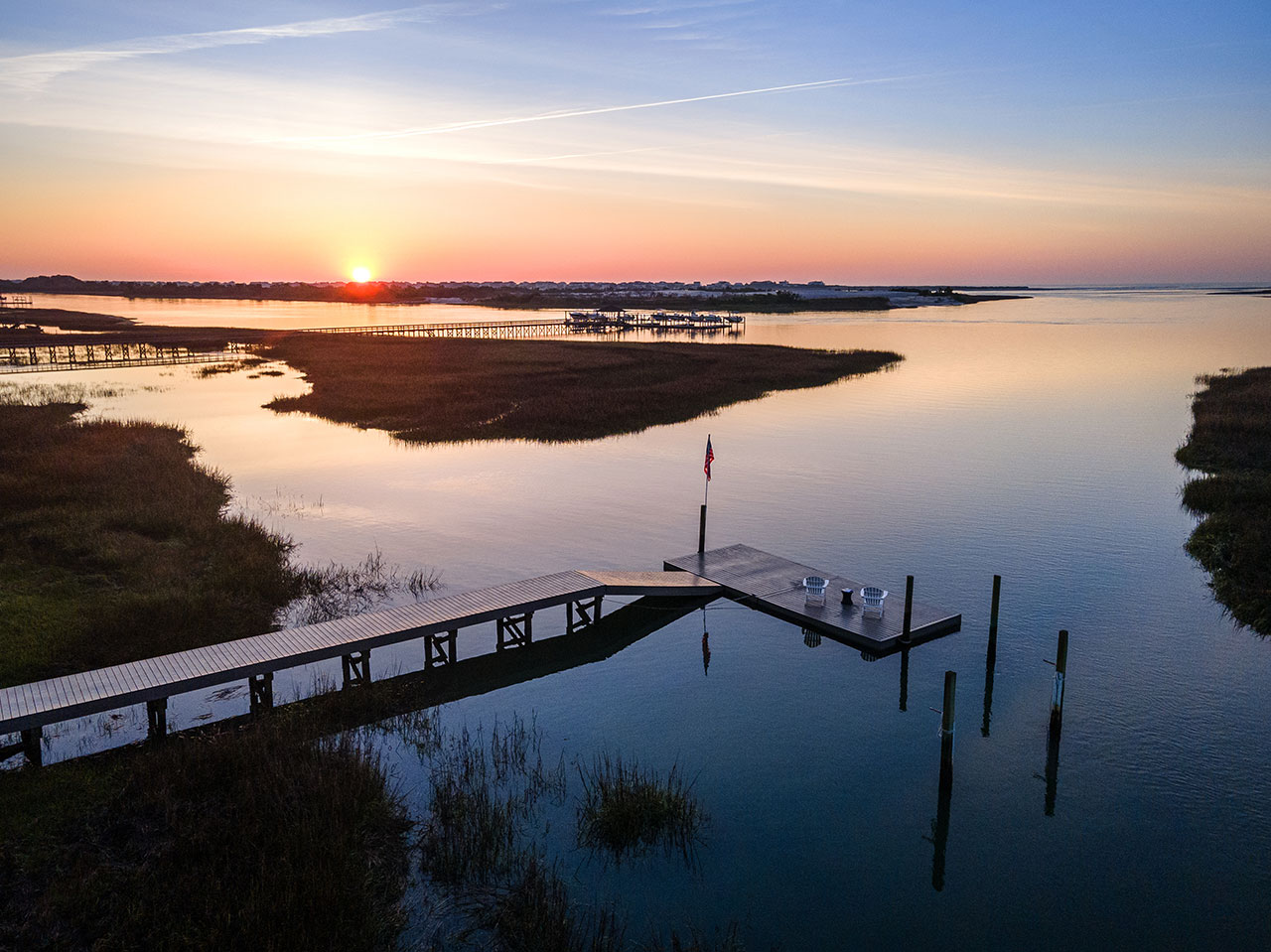
Is Composite Decking Worth It for a Dock?
While composite decking has a higher upfront cost than pressure-treated lumber, it typically is the best solution in the long run. Benefits of composite decking for docks include:
- Lower lifetime maintenance costs
- Fewer repairs and board replacements
- Increased safety
- Better long-term appearance
- Greater property value
For most lakefront homeowners, composite decking for docks quickly pays for itself by saving on labor, materials, and frustration.
Ready to Upgrade Your Dock?
If you’re tired of sanding, staining, or replacing warped boards every season, it may be time to consider composite decking.
At Zeeland Lumber & Supply, we carry a wide range of Trex decking options and can help you determine the best composite decking for your dock based on your layout, usage, and shoreline conditions.
Stop by one of our locations or contact our team today to start planning a dock that delivers more time on the water — and less time maintaining it.