
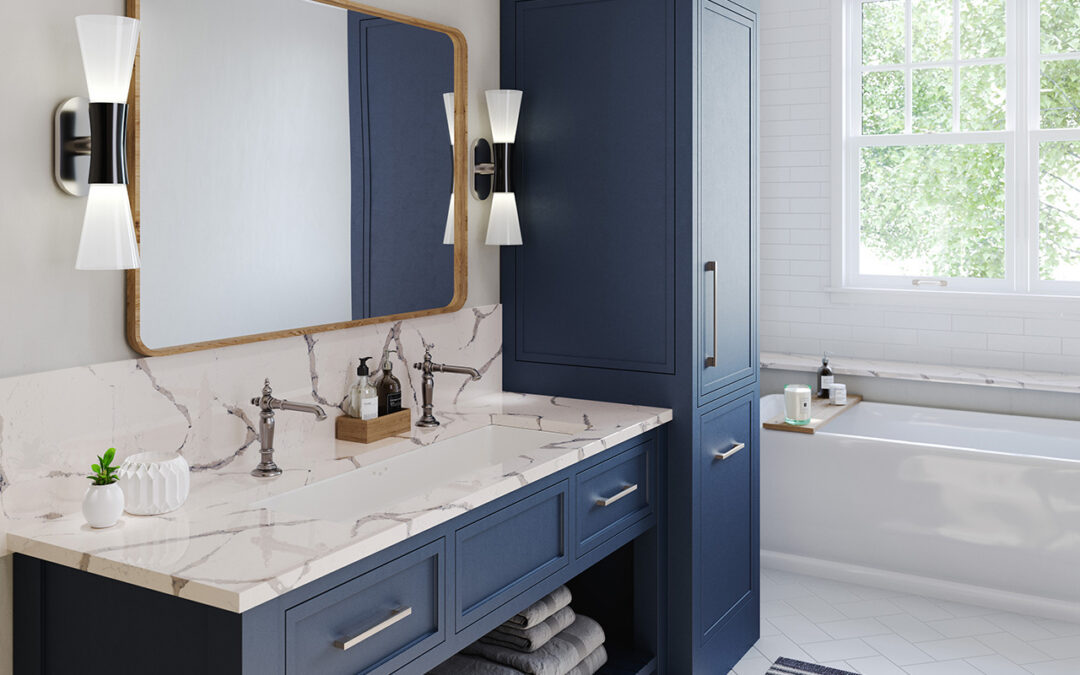
When designing a bathroom layout, it’s not just about fitting in a vanity, toilet, and shower. It’s about placing each element to maximize space, improve flow, and meet standard spacing requirements.
Whether you’re working with a compact bathroom, a shared layout, or a spacious primary suite, getting the layout right from the start can help you avoid costly changes later.
In this guide, we’ll break down how to design a bathroom layout, explore common layout types, and share practical planning tips to help you make the most of your space.
Quick Answer: How to Design a Bathroom Layout
To design a bathroom layout effectively, start by planning around plumbing locations and following standard spacing requirements. Then, choose fixtures that fit your space and arrange them to support smooth traffic flow, accessibility, and storage.
Here are the key steps to follow:
- Start with plumbing locations to minimize costly changes
- Follow standard spacing and clearance guidelines for each fixture
- Plan door swing and entry placement to avoid layout conflicts
- Choose the right fixtures (vanity, toilet, shower, tub) for your space
- Prioritize traffic flow so the space feels open and easy to use
- Incorporate storage solutions to reduce clutter and improve functionality
- Select a layout style that fits your bathroom size and use case
Bathroom Layout Comparison (Quick Guide)
Choosing the right layout often comes down to your space, how the bathroom will be used, and what matters most— storage, efficiency, or comfort.
Here’s a quick side-by-side comparison to help you identify the best fit:
| Layout Type | Best For | Key Consideration |
| Compact | Small bathrooms, powder rooms | Maximize space with minimal fixtures |
| Primary | Primary suites | Create separate zones for comfort and privacy |
| Long/Narrow | Hallway-style layouts | Maintain clear, linear flow |
| Square | Balanced spaces | Use corners efficiently |
| Jack & Jill | Shared bathrooms | Balance privacy and accessibility |
| Bathroom + Laundry | Multi-use spaces | Plan for ventilation and appliance clearance |
| Bathroom + Closet | Primary suites | Prevent moisture issues and maintain flow |
What Goes Into a Functional Bathroom Layout?
Before choosing a layout style, it’s important to understand the core elements that make a bathroom functional.
A well-designed layout isn’t just about fitting fixtures into a space—it’s about ensuring everything works together efficiently, safely, and comfortably for everyday use.
1. Plumbing Locations Come First
Plumbing is the foundation of any bathroom layout. The location of your water supply and drain lines often dictates where key fixtures (such as the toilet, sink, and shower) can be placed.
Moving plumbing is possible, but it can significantly increase the cost and complexity of your project. Relocating a toilet or shower, for example, may require opening up floors, rerouting pipes, and adjusting venting systems.
What to keep in mind:
- Keeping fixtures near existing plumbing helps reduce labor and material costs
- Major layout changes may require permits and additional inspections
- Slab foundations can make plumbing relocation more difficult and expensive
If you’re working within an existing footprint, designing around current plumbing locations is often the most efficient approach.
2. Fixture Spacing and Clearance Requirements
Proper spacing between fixtures is critical for both usability and code compliance. Even in smaller bathrooms, maintaining minimum clearances ensures the space feels comfortable and functions properly.
While exact requirements may vary by location, here are some general guidelines:
- Toilet: At least 15 inches from the centerline to any side wall or fixture
- Front clearance (toilet, sink, shower): Minimum 21 inches, though 24–30 inches is more comfortable
- Vanity: Typically 30–36 inches wide per user (more for double vanities)
- Shower: Minimum 30″ x 30″, though larger is recommended for comfort
Ignoring spacing guidelines can lead to cramped layouts, awkward movement, and potential code issues during inspections.
3. Door Swing and Entry Placement
Door placement is often overlooked, but it plays a major role in how your bathroom functions. A poorly placed door can interfere with fixtures, block pathways, or make the space feel tighter than it actually is.
Common challenges:
- Doors swinging into vanities or toilets
- Limited clearance in smaller bathrooms
- Conflicts with storage or cabinetry
Alternative solutions:
- Pocket doors to save space and eliminate swing conflicts
- Barn doors for a modern look with functional benefits
- Outward-swinging doors when interior space is limited
Planning your entry point early helps prevent layout conflicts later in the design process.
4. Traffic Flow and Usability
A functional bathroom layout should allow for smooth, unobstructed movement. This is especially important in shared bathrooms or high-traffic areas.
Think about how the space will be used on a daily basis:
- Can more than one person use the space at the same time?
- Is there enough room to move between fixtures comfortably?
- Are key areas (like the vanity or shower) easy to access?
Avoid placing fixtures too close together or creating bottlenecks that disrupt movement. Even small adjustments in placement can make a big difference in how open and usable the space feels.
5. Storage Needs and Organization
Storage is a key part of any functional bathroom—but it needs to be planned early, not added as an afterthought.
Consider how the space will actually be used:
- Daily essentials (toiletries, towels, cleaning supplies)
- Long-term storage needs
- Accessibility for multiple users
Common storage solutions include:
- Vanity storage: drawers, cabinets, and organizers
- Built-in shelving or niches: especially in showers or walls
- Linen cabinets: for larger bathrooms or shared spaces
Balancing storage with available space is critical. Too little storage leads to clutter, while too much can make the bathroom feel cramped.
A well-planned layout seamlessly integrates storage without sacrificing flow or functionality.
How to Choose the Right Bathroom Layout for Your Space
Choosing the right bathroom layout depends on a few key factors that impact both functionality and long-term usability:
- Bathroom size and shape
- Number of users
- Storage needs
- Existing plumbing locations
- Budget for layout changes
Common Bathroom Layouts (And How to Choose the Right One)
Once you understand the key planning factors, the next step is choosing a layout that fits your space.
Different bathroom shapes and sizes require different approaches—and the right layout can make even a small bathroom feel more functional and comfortable.
The best bathroom layout depends on your space, how the room will be used, and the level of functionality you need.
Below are some of the most common bathroom layout options and when to use them.
Primary Bathroom Layout Ideas
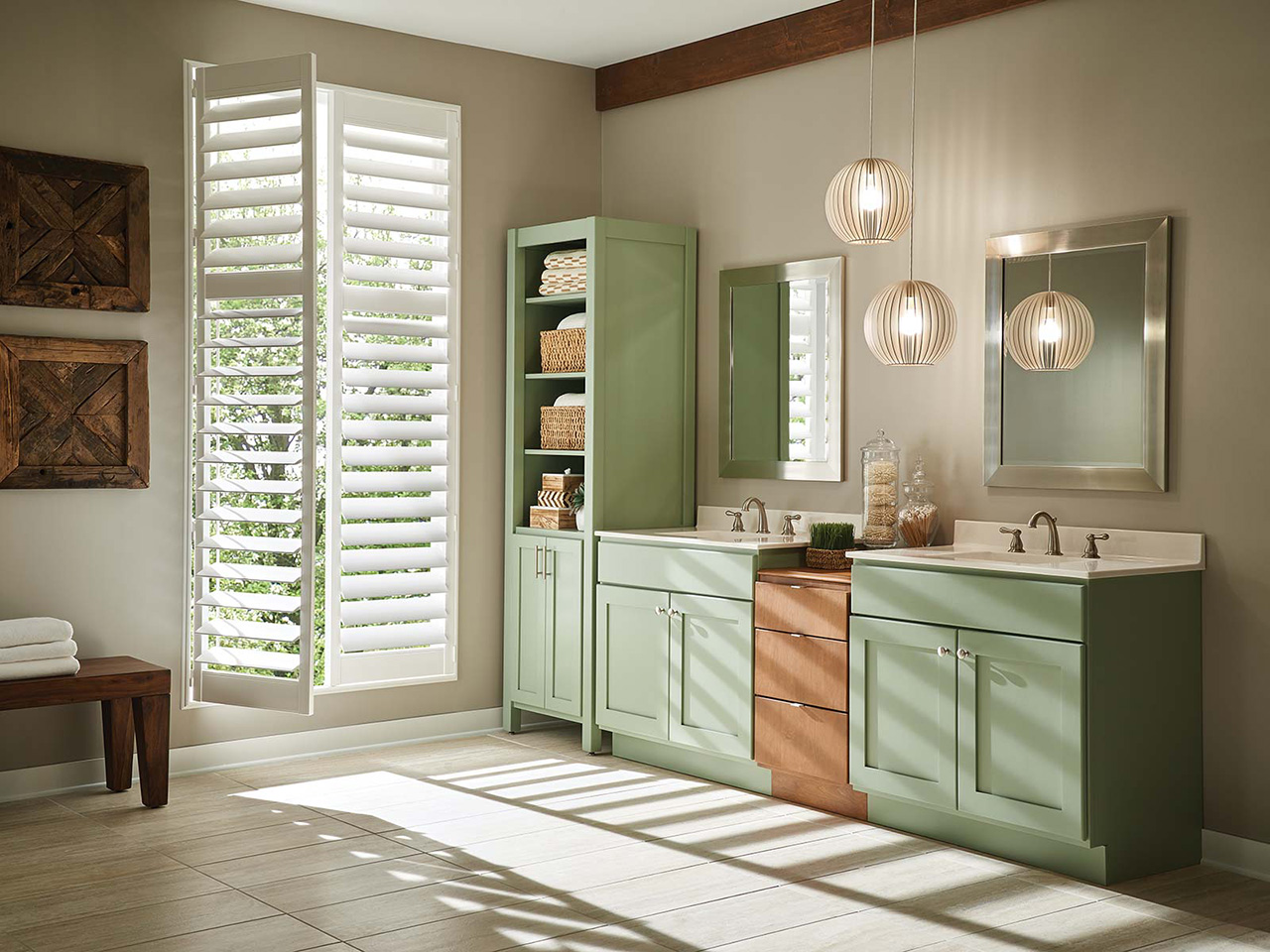
Best for: Larger bathrooms, primary suites
Primary bathrooms offer the most flexibility, allowing you to create distinct zones for different functions.
Common layout features:
- Double vanity for shared use
- Separate shower and tub
- Private toilet area (water closet)
Layout tips:
- Divide the space into zones (grooming, bathing, storage)
- Place the vanity in an easily accessible location near the entrance
- Keep the toilet area slightly separated for privacy
Common mistakes to avoid:
- Placing fixtures too far apart creates wasted space
- Not allowing enough clearance for double vanity use
Long Narrow Bathroom Layout
Best for: Hallway-style bathrooms
These layouts typically follow a linear design, with fixtures placed along one wall or opposite walls.
Common layout features:
- Vanity, toilet, and shower arranged in a row
- Narrow walkways
Layout tips:
- Keep fixtures aligned to maintain a clean flow
- Place the sink or vanity near the entrance for easy access
- Use light colors and mirrors to make the space feel larger
Common mistakes to avoid:
- Breaking up the layout with awkward fixture placement
- Blocking pathways with oversized vanities or storage
Compact Bathroom Layout (Small Bathrooms)
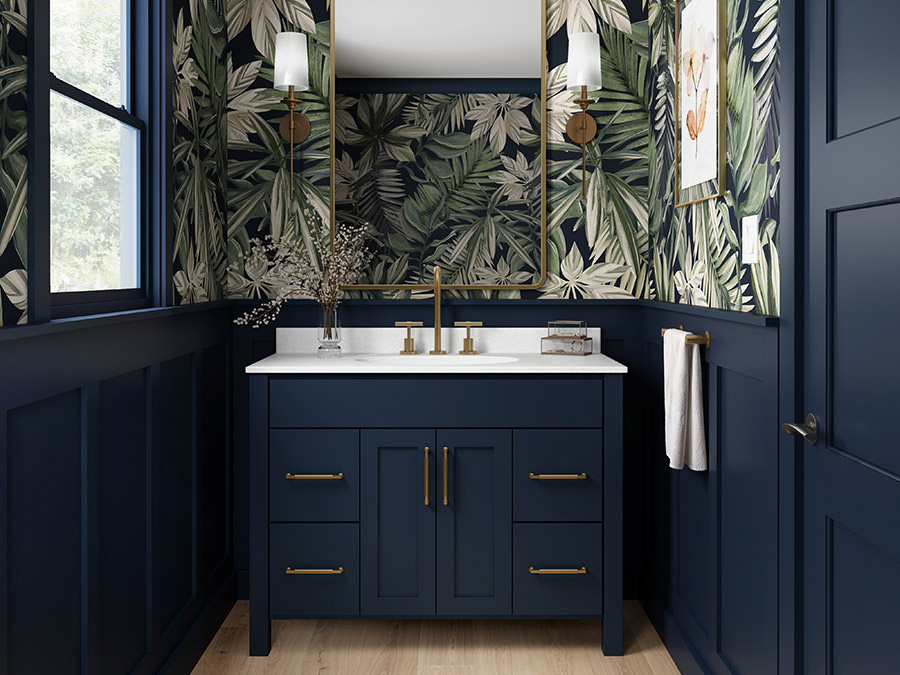
Best for: Small homes, guest bathrooms, powder rooms
In compact bathrooms, every inch matters. The goal is to maximize function without overcrowding the space.
Common layout features:
- Single vanity or pedestal sink
- Shower or shower/tub combo
- Tight but efficient fixture placement
Layout tips:
- Use wall-mounted or floating vanities to open up floor space
- Choose a shower instead of a separate tub to save room
- Utilize vertical storage (shelving, tall cabinets)
Common mistakes to avoid:
- Trying to include too many fixtures
- Ignoring clearance requirements leads to cramped usability
Square Bathroom Layout
Best for: Balanced, evenly sized spaces
Square bathrooms offer more flexibility, allowing for symmetrical or centered designs.
Common layout features:
- Fixtures are placed along multiple walls
- Opportunity for balanced spacing
Layout tips:
- Center key elements like the vanity for visual balance
- Use corners efficiently (corner showers or storage)
- Maintain consistent spacing between fixtures
Common mistakes to avoid:
- Wasting corner space
- Overcomplicating the layout when a simple arrangement works best
Bathroom with Laundry Layout
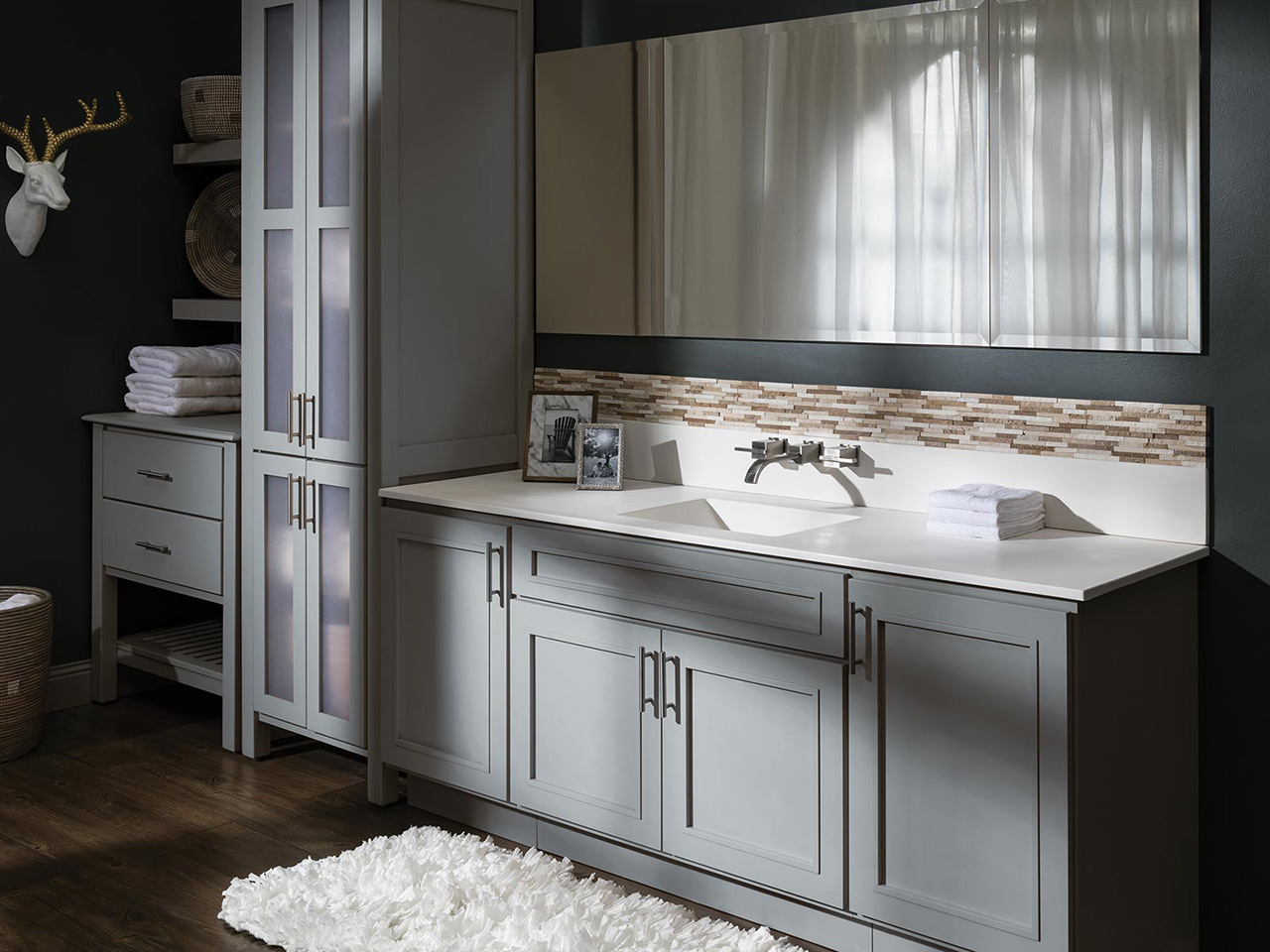
Best for: Utility-focused spaces, smaller homes
Combining a bathroom with a laundry area can save space, but it requires careful planning.
Common layout features:
- Stacked or side-by-side washer and dryer
- Shared utility and bathroom functions
Layout tips:
- Separate wet zones (shower/sink) from laundry appliances
- Ensure proper ventilation to manage humidity
- Allow enough clearance for appliance doors
Common mistakes to avoid:
- Overcrowding the space
- Poor ventilation leading to moisture issues
Jack & Jill Bathroom Layout
Best for: Shared bathrooms between bedrooms
A Jack & Jill bathroom connects two bedrooms and is designed for shared use.
Common layout features:
- Two entry points
- Double vanity for multiple users
- Shared shower/tub and toilet area
Layout tips:
- Prioritize privacy with separate zones if possible
- Consider dividing the vanity from the toilet/shower area
- Use durable, easy-to-maintain materials for high traffic
Common mistakes to avoid:
- Poor layout that creates congestion between users
- Lack of privacy between connected spaces
Bathroom with Closet Layout
Best for: Primary suites, larger bathrooms
This layout connects a bathroom directly to a walk-in closet for convenience.
Common layout features:
- Bathroom leading into or from a closet
- Integrated storage flow
Layout tips:
- Maintain a logical path between spaces
- Ensure proper ventilation to prevent moisture buildup in the closet
- Position the vanity near the closet for easy access
Common mistakes to avoid:
- Allowing moisture to impact clothing storage
- Poor layout flow between the bathroom and closet areas
Common Bathroom Layout Mistakes to Avoid
Even with a solid plan, certain layout mistakes can impact how your bathroom functions day to day.
Avoiding these bathroom layout mistakes early on can save time, money, and frustration later.
Overcrowding the space
Trying to fit too many fixtures into a small bathroom can make it feel cramped and difficult to use. Focus on what’s essential for the space.
Ignoring spacing and clearance requirements
Not leaving enough room between fixtures can lead to usability issues—and in some cases, failed inspections.
Poor traffic flow
A layout that blocks movement or creates bottlenecks will feel frustrating, especially in shared bathrooms.
Forgetting about door swing
A door that interferes with fixtures or storage can disrupt the entire layout.
Not planning for storage
Without enough storage, countertops quickly become cluttered, reducing functionality.
Overlooking ventilation needs
Moisture buildup can lead to long-term issues, especially in layouts connected to closets or laundry areas.
Choosing the Right Vanity for Your Bathroom Layout
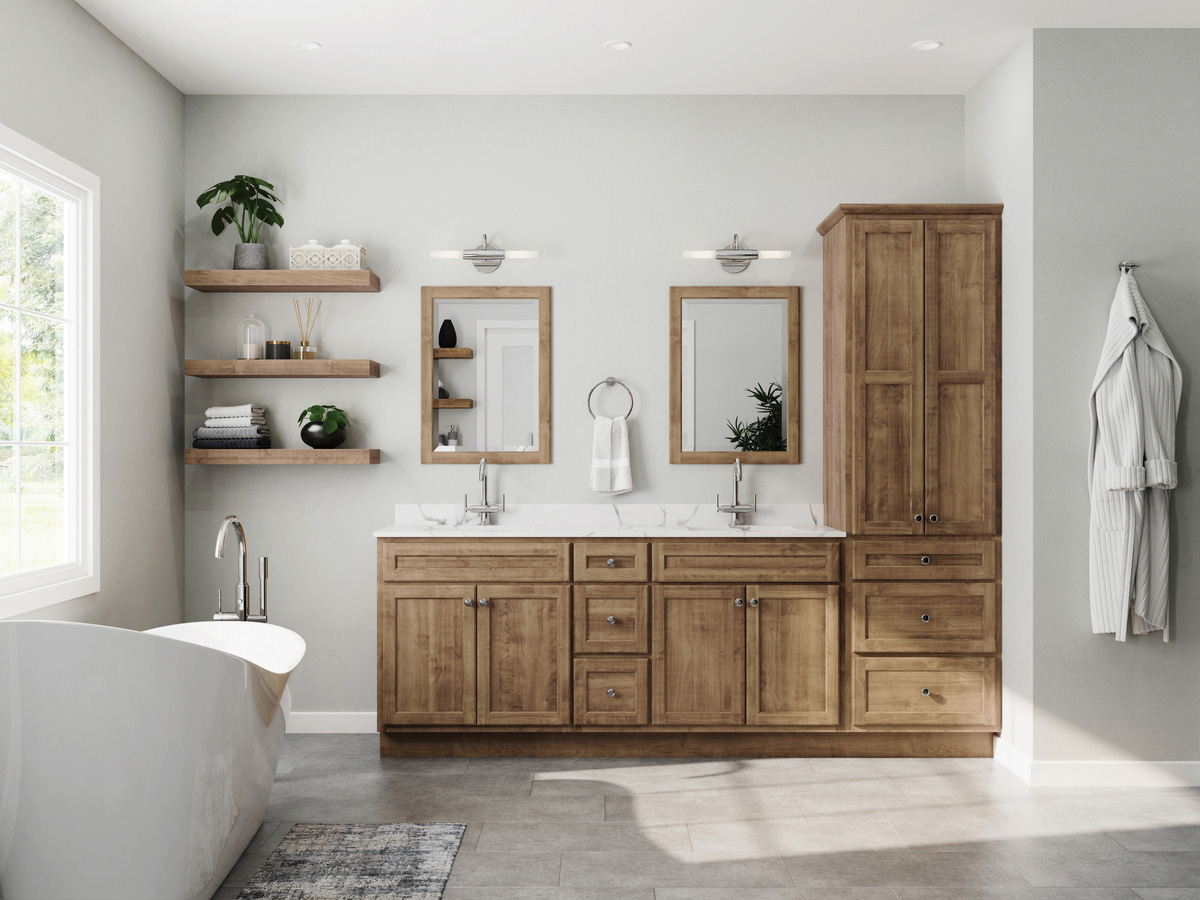
Your vanity plays a central role in both the layout and functionality of your bathroom. The right size, configuration, and storage options can enhance usability. The wrong choice can make the space feel cramped or inefficient.
How Vanity Size Impacts Your Layout
The size of your vanity should match both your space and how the bathroom is used.
- Single vanities work well in compact bathrooms or guest spaces
- Double vanities are ideal for shared or primary bathrooms
- Depth and width should allow for proper clearance and movement
Choosing a vanity that’s too large can disrupt traffic flow, while one that’s too small may limit functionality.
Balancing Storage and Space
Vanities often serve as the primary storage solution in a bathroom, so it’s important to strike the right balance.
- Drawers and cabinets help keep daily essentials organized
- Open space around the vanity improves flow and accessibility
- Built-in organizers can maximize usable storage without increasing size
The goal is to add storage without overwhelming the layout.
Custom Vanities for Unique Layouts
Not every bathroom fits a standard layout—and that’s where customization becomes valuable.
Custom vanities allow you to:
- Fit specific dimensions and layouts
- Maximize storage in tight or unusual spaces
- Align with the overall design and functionality of the bathroom
At Zeeland Lumber & Supply, we offer Bertch Bath vanities, known for their customizable sizing, configurations, and high-quality craftsmanship.
If you’re designing a compact bathroom or a spacious primary suite, choosing the right vanity ensures your layout works as well as it looks.
FAQs About Bathroom Layout Design
Planning a bathroom layout often raises a lot of practical questions. Here are answers to some of the most common ones to help guide your design.
What is the standard bathroom layout?
A standard bathroom layout typically includes a vanity, toilet, and shower or tub arranged to maintain proper spacing and clear traffic flow. The exact layout depends on the room’s size and shape.
What is the most efficient bathroom layout?
The most efficient bathroom layout places fixtures to minimize wasted space while maintaining proper spacing and flow. Linear layouts and compact designs are often the most efficient for smaller bathrooms.
What is the minimum size for a bathroom layout?
A full bathroom typically requires at least 36–40 square feet, while a half bath (powder room) can be as small as 15–20 square feet, depending on fixture placement.
How much space do you need between bathroom fixtures?
Most guidelines recommend at least 15 inches from the center of the toilet to a wall or fixture, and at least 21–30 inches of clearance in front of fixtures.
What is the best layout for a small bathroom?
Compact layouts that use space-saving fixtures, such as wall-mounted sinks or shower-only setups, work best for small bathrooms.
Should a toilet face the door?
It’s generally not recommended for design and privacy reasons. If possible, position the toilet so it is not directly visible from the doorway.
Ready To Plan Your Bathroom Layout with Confidence?
Designing a bathroom layout is about more than just fitting fixtures into a space. It’s about creating a layout that works for your daily routine, maximizes functionality, and avoids costly changes down the line.
By understanding your space, choosing the right layout, and planning key elements such as spacing, flow, and storage, you can create a bathroom that’s both practical and comfortable.
If you’re starting a bathroom project, Zeeland Lumber & Supply can help you plan your layout, choose the right products, and bring your design together with confidence.