
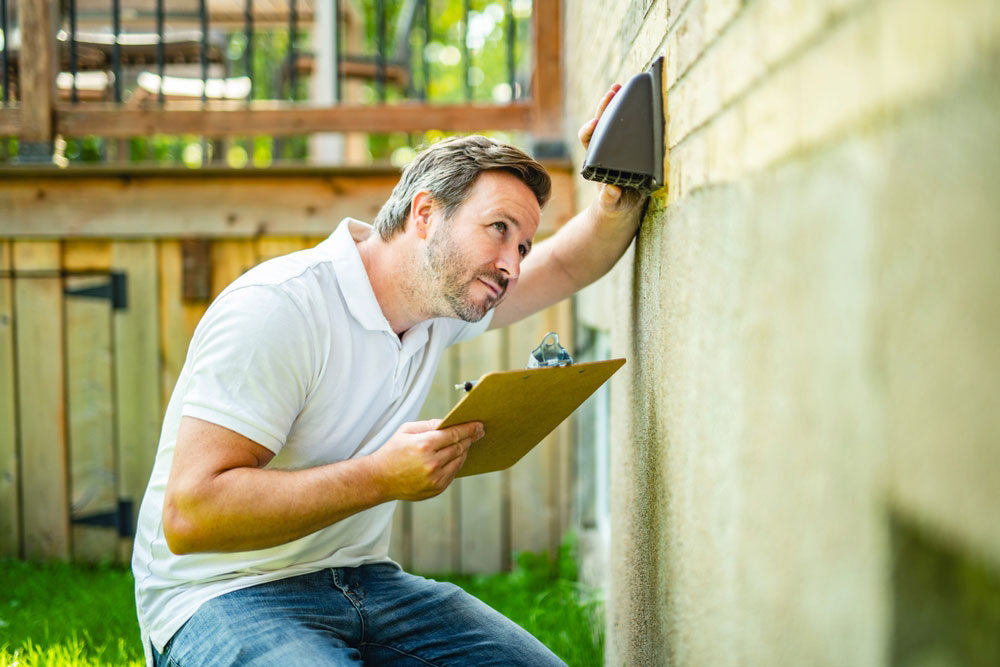
A home is the biggest purchase most people will ever make, and keeping it in great shape isn’t something that happens on its own. Routine maintenance protects your investment, prevents expensive problems down the road, and keeps your home safe, comfortable, and feeling new for years to come.
Whether you just closed on your first home or you’re building better habits around an existing one, this checklist covers what to do, how often to do it, and what to expect when it comes to time and cost.
Why New Home Maintenance Is So Important
Skipping routine home maintenance can turn small issues into major, costly repairs. According to the American Housing Survey, homeowners spend an average of 1-2% of their home’s value annually on maintenance, but deferred maintenance can cost significantly more when problems compound.
Think of your home the same way you think of a vehicle: regular oil changes and inspections are far cheaper than an engine replacement. The same logic applies to your roof, HVAC system, windows, siding, and everything in between.
New construction homes aren’t immune. Even a brand-new build requires attention in its first year. Materials settle, caulk shrinks, and systems need calibration. Catching these early keeps your warranties intact and prevents small issues from becoming big ones.
How Should You Prioritize Home Maintenance Projects?
Prioritize home maintenance projects by their potential for damage if neglected — safety first, then structural, then cosmetic.
When everything feels urgent, use this framework:
Tier 1: Address Immediately (Safety & Structural)
- Roof leaks or visible damage
- HVAC failure or inefficiency
- Plumbing leaks
- Smoke/CO detector functionality
- Foundation cracks or drainage issues
Tier 2: Schedule Within the Season (Preventative)
- Gutter cleaning
- Caulking around doors, windows, and baths
- Deck refinishing or sealing
- Exterior siding inspection and repairs
Tier 3: Ongoing, When Time Allows (Cosmetic & Comfort)
- Repainting trim and interiors
- Landscaping and curb appeal
- Appliance deep cleaning
- Hardware oiling and adjustments
A good rule of thumb: If water, fire, or structural stability is at stake, it’s Tier 1. Everything else can be scheduled.
How Much Should You Budget for Home Maintenance?
Plan to spend between 1-3% of your home’s purchase price on maintenance each year. For a $400,000 home, that’s $4,000-$12,000 annually. Actual costs will vary widely based on your home’s age, size, and condition.
Annual Home Maintenance Budget by Home Value
| Home Value | Low Estimate (1%) | Mid Estimate (2%) | High Estimate (3%) |
| $250,000 | $2,500/year | $5,000/year | $7,500/year |
| $400,000 | $4,000/year | $8,000/year | $12,000/year |
| $600,000 | $6,000/year | $12,000/year | $18,000/year |
Pro tip: Set up a dedicated savings account for home maintenance and treat it like a utility bill. Small yet consistent contributions each month prevent sticker shock when a major repair comes up.
According to HomeAdvisor, some of the most expensive repairs homeowners face include roof replacement ($5,000-$15,000+), HVAC system replacement ($5,000-$10,000), and foundation repair ($2,000-$7,000), all of which can be delayed or avoided with consistent preventative maintenance.

Monthly Home Maintenance Checklist
These are the tasks that should become habits. They’re quick checks that take minutes but can save you headaches later.
- Unclog drains in bathtubs, showers, and sinks
- Check and refill water softener salt (if applicable)
- Inspect and clean furnace/air filter — replace if needed (every 1-3 months depending on filter type)
- Clean faucet aerators and showerheads to remove mineral buildup and improve water pressure
- Clean garbage disposal — use ice cubes and salt or a disposal cleaning agent
- Test home security alarms and sensors, including motion detectors and door/window sensors
- Clean range hood filters (grease buildup is a fire hazard)
- Check fire extinguisher pressure gauges and ensure they’re accessible
- Check for visible leaks under sinks and around toilets
Annual Home Maintenance Checklist
Set aside time once per year — ideally in spring or fall — to work through these bigger-picture tasks. Many homeowners split this list into two seasonal passes.
Exterior & Structural
- Inspect roof for missing, cracked, or curling shingles and signs of water damage
- Clean gutters and downspouts
- Check exterior drainage to ensure water flows away from the foundation
- Seal gaps around doors and windows with fresh caulk
- Inspect and repair siding — look for cracks, rot, warping, or loose panels
- Power wash windows, siding, and walkways
- Repair cracks in driveway or sidewalk before they expand with freeze/thaw cycles
- Trim trees and shrubs away from the home and power lines
- Inspect exterior exhaust vents (dryer vent, bathroom fans)
Decks & Outdoor Spaces
- Inspect deck boards and railing for rot, loose fasteners, or soft spots
- Refinish or reseal the deck to keep wood looking and performing its best
- Clean and inspect outdoor furniture and structures
Choose deck materials that last: If your deck is due for a replacement or upgrade, the material you choose dramatically affects how much maintenance you’ll be doing long-term. High-quality composite decking from brands like Trex offers the look of natural wood without annual staining or sealing. Zeeland Lumber & Supply carries Trex decking along with expert guidance on what’s right for your budget and climate. Explore decking options at Zeeland >>
HVAC, Plumbing & Electrical
- Have HVAC system professionally inspected (spring for AC, fall for heating)
- Flush hot water heater to remove sediment and extend heater life
- Inspect plumbing for leaks (check under sinks, around water heater, and at supply lines)
- Test sump pump
- Have fireplace and chimney professionally inspected and cleaned
- Replace smoke and carbon monoxide detector batteries (or test if hardwired)
Interior
- Deep clean carpets — rent a machine or hire a professional
- Inspect bathroom caulking and grout — replace if cracked or discolored
- Clean and maintain major appliances — run a washing machine cleaning cycle, clean refrigerator coils, clean oven interior
- Clean and seal unpainted concrete floors in basement or garage
- Oil moving parts on garage doors (hinges, rollers, springs)
- Clean window wells and ensure drainage is clear
- Inspect window and door screens — repair or replace any torn screens
- Inspect locks, fixtures, and hardware — tighten any loose handles or hinges

An interactive guide to help you save energy while maintaining or upgrading your home. Download it for free >>
Tips for Sticking to a Home Maintenance Schedule
The biggest challenge with home maintenance isn’t knowing what to do, but doing it consistently. Here are a few strategies we’ve found to work for our customers:
Use seasonal anchors. Tie maintenance tasks to events you already track. For example, you could:
- Change HVAC filters when you change your clocks for daylight savings time.
- Clean your gutters after the last leaves fall.
- Inspect your deck when you bring out patio furniture in spring.
Create a simple log. Keep a notepad or digital document where you record what you did and when. This is invaluable when you sell the home, file a warranty claim, or hand off to a house sitter.
Get professional inspections on the calendar. HVAC, fireplace, and septic inspections are easier to remember when they’re already scheduled. Many service companies offer annual maintenance agreements that take the scheduling off your plate entirely.
Don’t wait for failure. The cost of prevention is almost always lower than the cost of repair. If something seems off — a sound, a smell, a stain — investigate it early.
What Are the Best Materials for Home Maintenance and Repairs?
When it’s time to replace or upgrade materials during routine maintenance, quality pays off over the long run. Choosing higher quality materials means less frequent replacement, lower maintenance demands, and better performance in Michigan’s climate where freeze/thaw cycles, heavy snow, and seasonal humidity can put stress on a home.
Here’s what to look for in some of the most common maintenance-driven replacement projects.
Best Replacement Windows
Look for double or triple-pane glass windows with low-E coatings to reduce heat transfer. Brands like Andersen offer great performance in cold-climate applications.
Remember that proper installation matters as much as the window itself, so air sealing around the frame is critical.
Best Exterior Door Material
A worn or drafty exterior door is a major energy loss point. Fiberglass doors from Therma-Tru offer excellent insulation value, durability, and low maintenance compared to wood.
Best Siding Material
If your siding inspection reveals widespread damage or deterioration, engineered wood options like LP® SmartSide® resist moisture, pests, and impact better than traditional wood and other materials, while offering a natural wood appearance.
Best Deck Material
Composite decking eliminates the need for annual staining and sealing and holds up better in wet climates. Trex is a category leader with decades of performance data.
At Zeeland Lumber & Supply, our team can help you navigate material options for your specific project, from matching existing siding profiles to selecting the right window for a historic home. Talk to a specialist >>
Frequently Asked Questions About New Home Maintenance
How do I create a home maintenance schedule?
List all the tasks from your monthly and annual checklists, then assign them to specific months rather than leaving them as vague reminders. A good rule of thumb is to do your exterior-focused tasks in April/May and again in September/October, and spread interior tasks across the slower winter months.
From there, add calendar reminders or use a free app to track what’s been done and what’s coming up. The most effective home maintenance schedule is one you’ll actually follow, and that usually means keeping it simple.
How often should I inspect my roof?
You should visually inspect your roof at least twice a year — in spring and fall — and after any major storm. Look for missing or damaged shingles, flashing issues around chimneys and vents, and signs of sagging or water staining in your attic. A professional inspection every 3-5 years (or after storm damage) is also recommended.
What home maintenance tasks should I do as a new homeowner in the first year?
In your first year, focus on understanding your home’s systems: locate the main water shutoff, identify your electrical panel, learn how your HVAC system works, and read through any appliance manuals. Complete all items on this monthly and annual checklist, and note anything that needs professional attention. The first year is also a good time to verify all warranties are registered.
What home maintenance should I do before winter in Michigan?
Before the first freeze, you’ll want to:
- Clean and inspect gutters so snowmelt drains properly
- Seal any gaps around windows, doors, and exterior penetrations with fresh caulk
- Have your furnace or boiler inspected and replace the filter
- Drain and shut off outdoor hose bibs and irrigation systems to prevent burst pipes
- Inspect your roof for loose or missing shingles that won’t survive ice and snow loads
- If your home has a fireplace or wood stove, get the chimney swept
How do I know if I have a plumbing leak I can’t see?
Check your water meter reading, then don’t use any water for two hours and check again. If the reading changed, you likely have a leak.
Other signs include unexplained increases in your water bill, soft spots in flooring near plumbing fixtures, water stains on ceilings or walls, and the sound of running water when everything is turned off.
When should I refinish my deck?
A wood deck typically needs refinishing every 1-2 years, depending on sun exposure, foot traffic, and the product used. A simple test is to sprinkle water on the surface. If it beads up, the sealant is still working, If it soaks in immediately, it’s time to reapply.
Composite decking like Trex generally requires only occasional cleaning and no sealing or staining.
Does homeowners insurance cover home maintenance costs?
No. Homeowners insurance covers sudden, unexpected damage like a tree falling on your roof or a burst pipe. It does not cover routine wear and tear, maintenance neglect, or gradual deterioration. That’s why proactive maintenance is so important: it keeps your home in insurable condition and prevents the type of damage that insurance explicitly excludes.
Let Us Help with Your Next Home Maintenance Project
Whether routine maintenance reveals a window that needs replacing, siding that’s seen better days, or a deck that’s finally ready for an upgrade, you don’t need a big-box store with a long checkout line. You need a local expert who knows Michigan homes, gives you straight answers, and has the right materials ready to go. That’s Zeeland Lumber & Supply.
We carry leading brands in windows, exterior doors, siding, decking, cabinetry, and more, and our team works directly with homeowners and contractors across Michigan and Northern Indiana.
Ready to get started? Talk to a home materials specialist here.
